
This is where the fun begins. To this point, our doctrinal statement has been very broad, inclusive of large swaths of Christianity in America. We’ve covered basic and important doctrine, laying out a foundational course in theology. But now we get to dive into some of the things that make our church most distinctive. Granted, there are also many churches within the Charismatic movement, and they encompass a wide variety of doctrine as well. So these next few articles should not be taken as a definitive overview of Charismatic theology as a whole, but rather a close up look at the specific points of that theology which are most important to us.
We’ll begin with the gifts of the Spirit found in the New Testament. The primary distinctive of Charismatic theology is that we believe all the gifts (or charisma in Greek) continue to be in full use today – continuationist theology. The contrasting viewpoint of cessationism teaches that the gifts ceased to function at some point between the writing of the New Testament and the present day. At City Church Seven Hills, we say it this way in our doctrinal statement:
We believe in the full operation of all the gifts of the Spirit as practiced by the early church. (1 Corinthians 12:4-11, Ephesians 4:11-13, Romans 12:6-8).
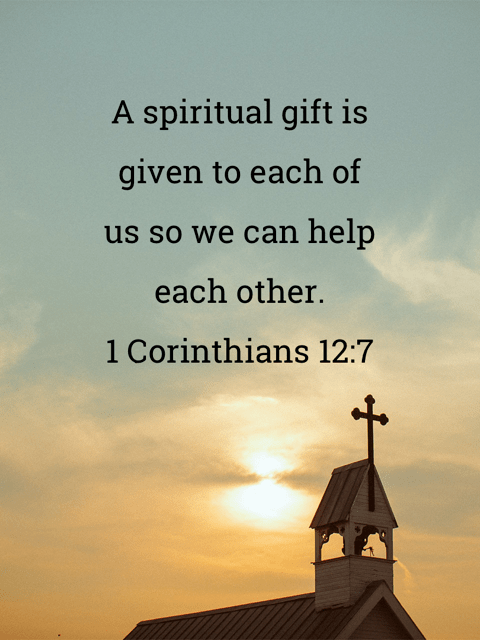
These three passages referenced contain lists of the gifts of the Spirit as well as some teaching on what they are for. The purpose of the gifts is very clearly identified in 1 Corinthians 12:7 and Ephesians 4:12 – we have them to help each other and to equip the people of God to do the work of God. We won’t go into a full list of the gifts here, but the main point to take away is that since their purpose is to help the church and build God’s people, we must make use of them. Some of the gifts are practiced by the whole church and some are given in the form of leaders who strengthen the church. But none of them can be neglected.
Our heart behind pursuing all the gifts of the Spirit is to ensure that the church is built up and every member is ready to fulfill their assignment and role within the body. We need people with wisdom, we need people to speak words of knowledge, we need people moving in faith, we need people praying for healing, we need to see miracles and hear the voice of God in community through the gift of prophecy. We need people who can discern spirits and we need to speak and interpret unknown, or heavenly, languages (for more on this, see our post specifically on tongues). All of these are vital to life and mission of the church.
There are some who pick out certain gifts from these lists and no longer pursue them. This is not the place to elaborate on their arguments, but we prefer to let the biblical text stand on its own here. The gifts are not broken up into lists of which ones will cease and which will continue. So we take these passages to mean what they say and expect to see all of the gifts in operation.
What does that look like in practice? An important question. It is one thing to believe in all of the gifts but another to pursue all the gifts. We make space in our worship services to pray for healing. We share stories of testimonies of healing and miracles that happen outside of our church building. We set aside time to listen to the voice of God together and prophecy in our worship services, in our prayer times, and in our small groups. We foster deep community with one another so that we can share the gifts of wisdom and knowledge. And we always look for more ways to put all the gifts into practice.
Above all, we strive to remain focused on the purpose of these gifts. We don’t prophecy when there is nothing to say. We don’t pray for miracles just to show off. We use the gifts to help each other and to build up the church (that’s both our church and other local churches) for the work called has called us to!
 City Church Seven Hills
Leave a comment