
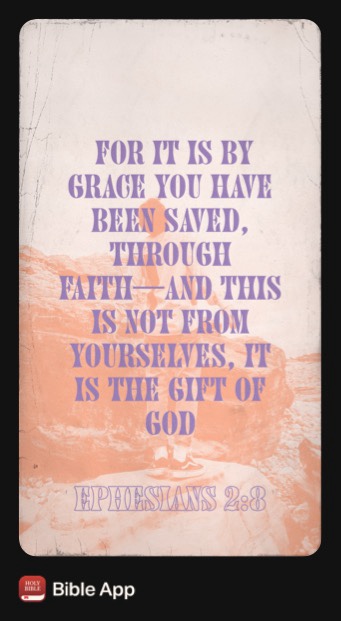
A very important hallmark of both Protestantism and Evangelicalism is the notion of salvation by grace, through faith. While this was the defining battle cry of the Protestant Reformation, we’ve included it here in the Evangelical portion of our doctrinal statement because we group together the call to an individual to respond in faith and be born again. This emphasis on both the second birth and the individual’s response is a distinctive of Evangelical theology and one that we embrace. We say it this way on our statement:
We believe that the Gospel calls each individual to make the personal decision to be born again by grace through faith in order to enter the Kingdom of God. (John 3:3, 16, John 14:6, Ephesians 2:8)
This is a synthesis of the verses cited there, so let’s walk through the statement. In John 3, Jesus is talking to Nicodemus, a Pharisee who is interested in Jesus and the Kingdom He teaches because of the miraculous signs that accompanied Him. The first thing Jesus says is, “Unless someone is born again, he cannot enter the Kingdom of God.” We understand this to mean that being born again is an action taken by a single person and is very much distinct from the first time you were born. In other words, you cannot be born again just because you were born to certain parents or grew up attending church. You can’t enter the Kingdom of Heaven because someone else wants you to. YOU must be born again.
This new birth happens by grace, through faith, as Paul wrote in Ephesians 2:8. The grace of God is a gift, given in the form of His Son, sent to the world to save everyone who believes, or places their faith, in Him (John 3:16). Jesus made it very clear in John 14:6 that He is the only way we can approach the Father. It is by putting our faith in Jesus and receiving the grace of God that we are saved and enter the Kingdom of Heaven.
All of this likely sounds very familiar, but it is a foundational concept to the Christian faith. This is a big part of the reason we are proud to call ourselves Evangelical, despite the negativity associated with that word by some.
 City Church Seven Hills
Leave a comment